


.svg)






In
Mold Remediation
How Fast Does Mold Start After Water Damage?
Mold can begin growing within 24 hours of water damage. Learn how fast mold spreads, what conditions accelerate growth, and when to call a professional restoration company.
How Fast Does Mold Start After Water Damage?
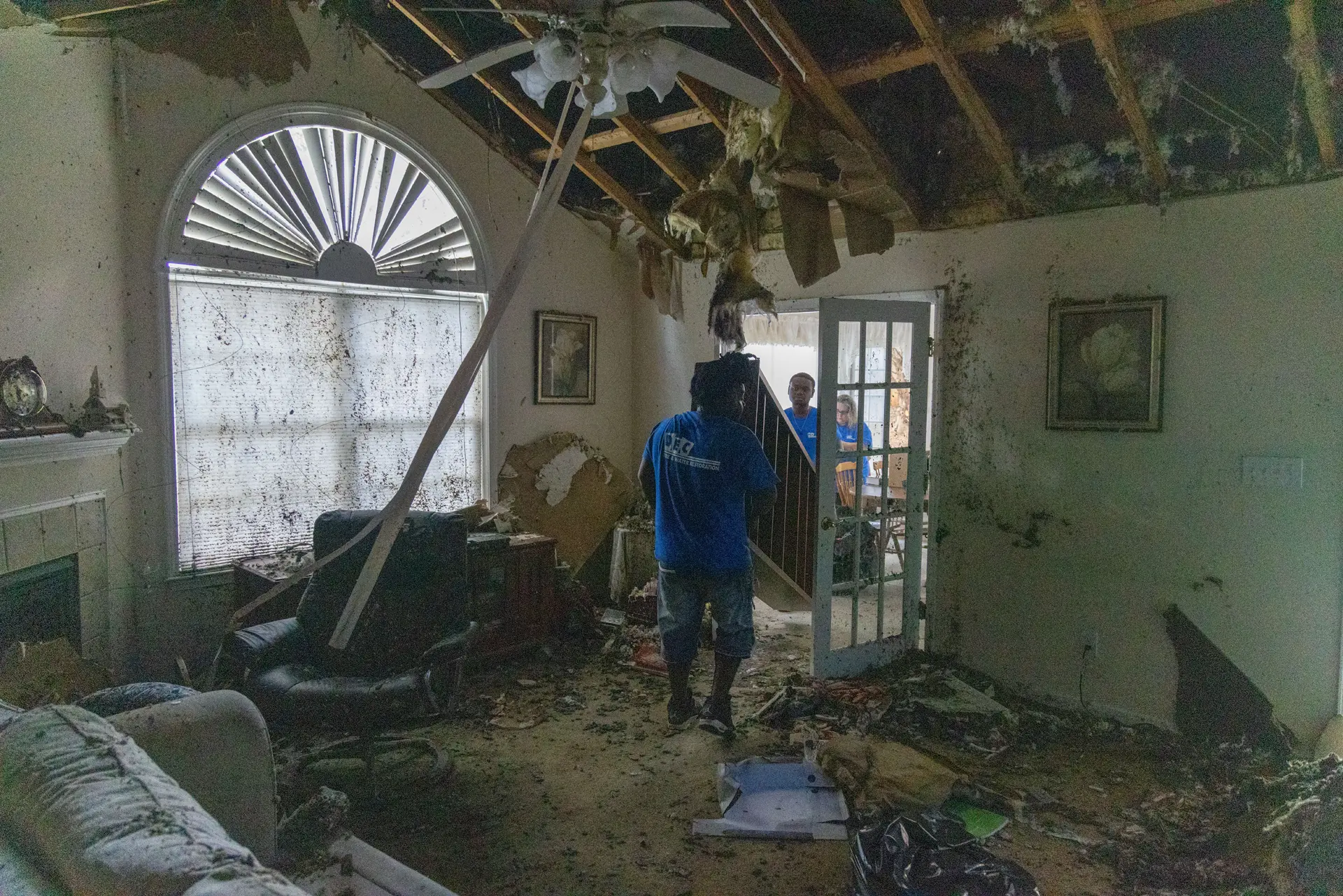
Mold doesn't wait. After water damage - whether from a burst pipe, roof leak, appliance failure, or flooding - mold can begin developing faster than most homeowners expect. Understanding the timeline is the first step toward protecting your home and your family.
What Is Mold and Why Does It Grow After Water Damage?
Mold is a type of fungus that thrives in moist environments. It reproduces through microscopic spores that are always present in the air around us - indoors and outdoors. Under normal, dry conditions, those spores are harmless. But introduce excess moisture, and you create the exact conditions mold needs to colonize surfaces fast.
Water damage events - flooded basements, broken water lines, storm intrusion - don't just leave things wet. They saturate drywall, insulation, wood framing, and flooring with the kind of sustained moisture that mold feeds on. The longer materials stay wet, the greater the risk.
How Fast Does Mold Grow After Water Damage?
1. The 24 to 48 Hour Window
This is the critical window. Mold spores can begin germinating on wet surfaces within 24 hours of exposure to moisture. By 48 hours, active mold growth is often already underway - even if you can't see it yet. This is why professional water mitigation focuses heavily on response time, not just cleanup.
2. Days 3 through 7: Visible Growth
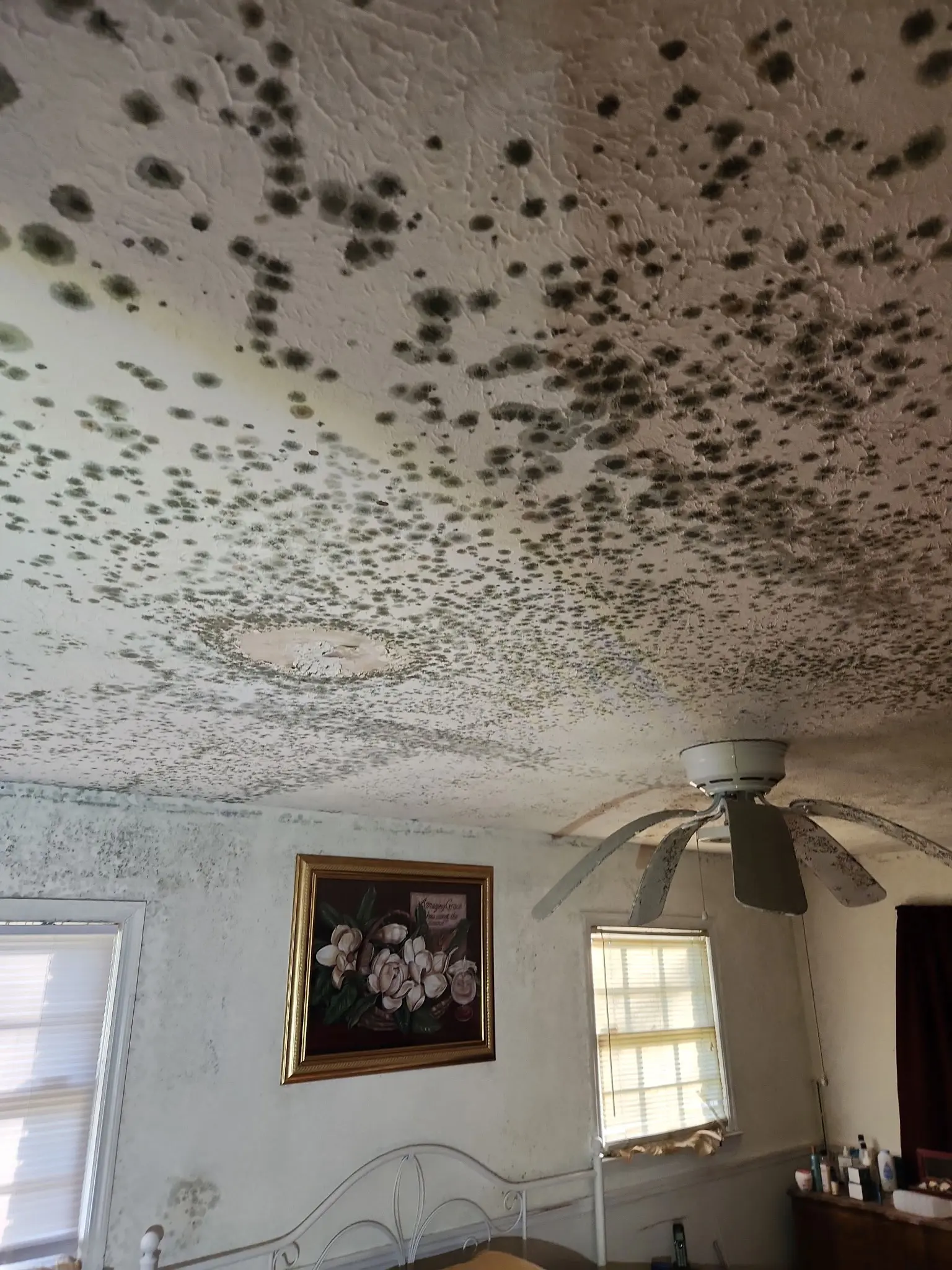
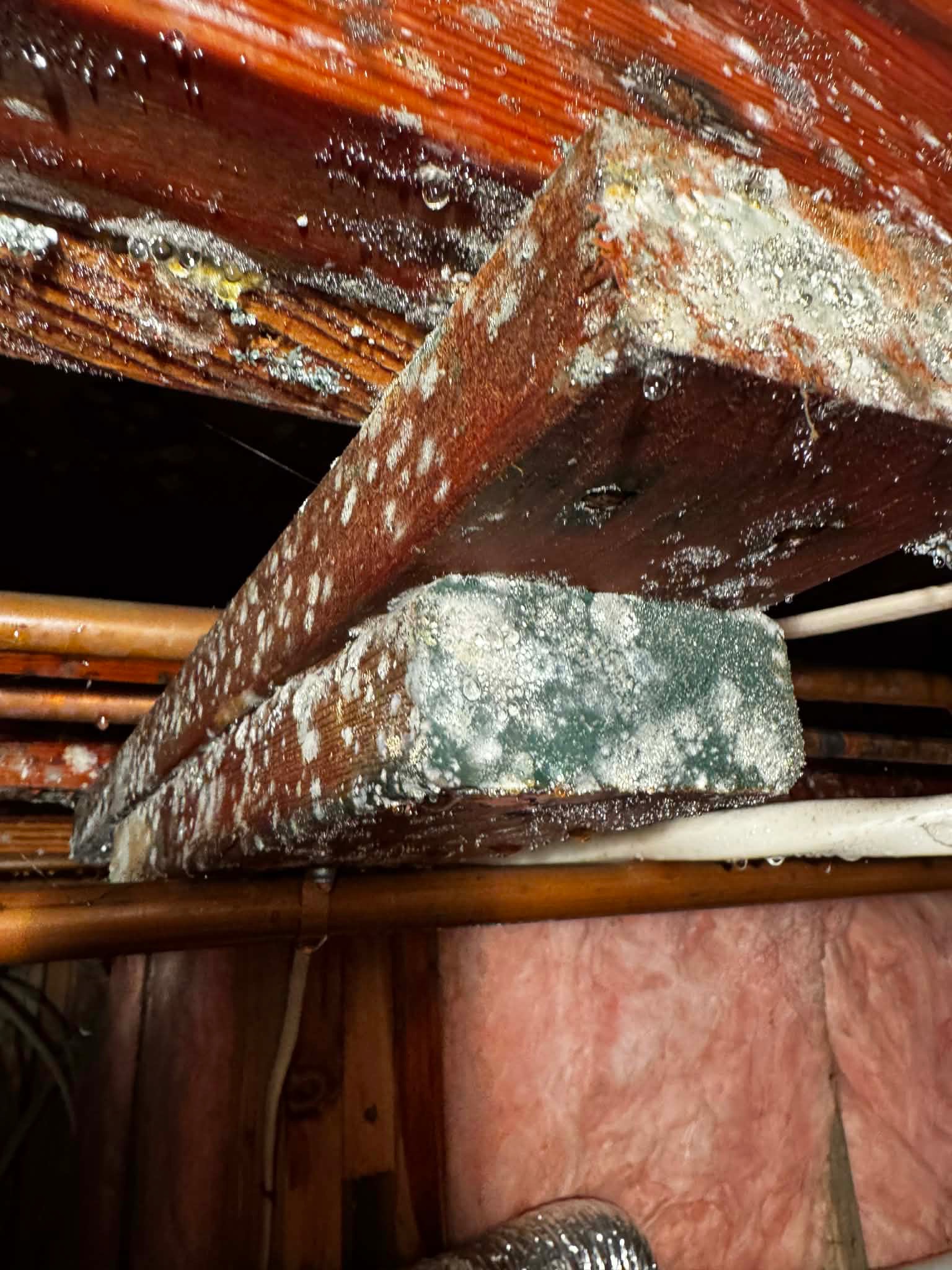
By the third day, mold colonies may become visible to the naked eye, often appearing as fuzzy patches in dark, discolored, or damp areas. Common surfaces include drywall, ceiling tiles, wood studs, carpet backing, and underneath flooring. The smell - musty, earthy, stale - is often the first sign people notice before they see anything.
3. After One Week: Structural and Health Risks Escalate
Once mold has had a week or more to spread, the problem crosses from cosmetic into structural. Mold compromises building materials by breaking down organic matter - meaning it can weaken drywall, rot wood, and deteriorate insulation. Prolonged exposure also raises the risk of respiratory irritation, allergic reactions, and other health concerns, particularly for children, the elderly, and anyone with existing respiratory conditions.
4. The Hidden Growth Problem
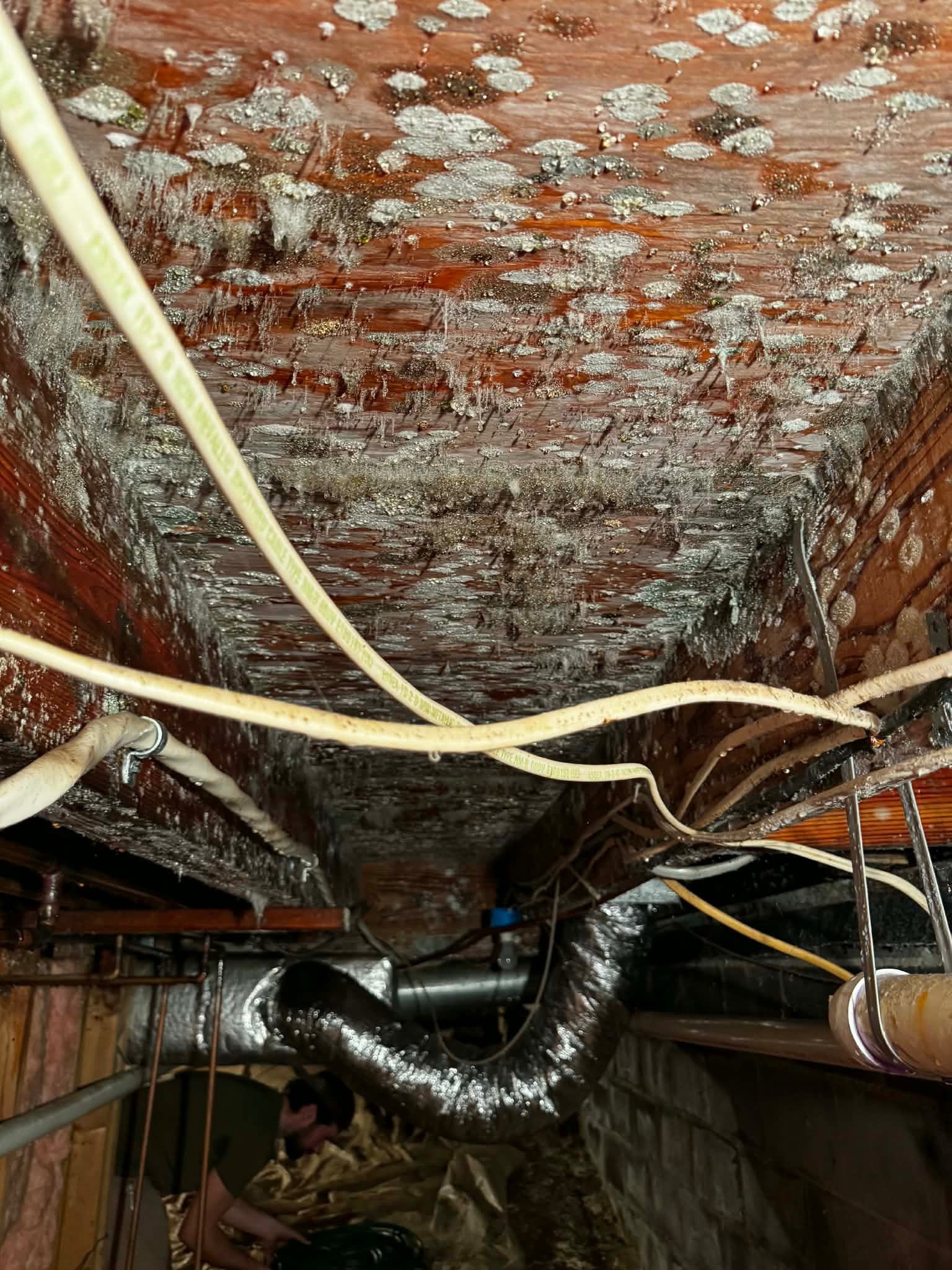
One of the most dangerous aspects of mold after water damage is that much of it grows where you can't see it - inside walls, beneath subfloors, above ceiling tiles, and inside HVAC systems. By the time visible mold appears, the hidden growth behind surfaces may already be extensive.
What Conditions Make Mold Grow Faster?
Temperature
Mold grows most aggressively in temperatures between 60°F and 80°F - which describes the interior of most homes year-round. Warmer conditions accelerate the growth timeline significantly.
Humidity
Even after standing water is removed, elevated indoor humidity sustains mold growth. Relative humidity above 60% is enough to keep mold active on surfaces that appear dry to the touch.
Organic Materials
Mold feeds on organic material - drywall paper, wood, fabric, cardboard, insulation. Homes are full of it. The more porous and organic the surface, the faster mold takes hold.
Poor Ventilation
Stagnant air traps moisture. Spaces with limited airflow - crawl spaces, closed closets, wall cavities - are prime environments for accelerated mold development.
How Long Does It Take for Mold to Become a Serious Problem?
The short answer: faster than most people assume. Within one week of unaddressed water damage, mold can spread to multiple surfaces and penetrate building materials deeply enough that surface cleaning alone won't solve it. Within two to three weeks, what started as a manageable mitigation job can become a full remediation project requiring material removal and replacement.
The cost and complexity of mold remediation increases significantly the longer it goes unaddressed. A prompt response - ideally within the first 24 to 48 hours - is the single biggest factor in limiting the scope and expense of the damage.
What to Do if You Suspect Mold After Water Damage
Don't Wait to Call a Professional
If you've had any water damage event - even one that seemed minor - and more than 24 hours have passed, mold risk is already a real concern. A professional assessment can identify moisture levels, hidden growth, and the appropriate remediation approach before the problem compounds.
Don't Rely on Bleach and DIY Methods
Surface-level cleaning with bleach may address visible mold on non-porous surfaces, but it does not penetrate porous materials like drywall or wood. DIY approaches frequently miss the root of the problem and can disturb mold colonies in ways that spread spores further into the home.
Document Everything for Your Insurance Claim
If your water damage is covered by homeowner's insurance, document the damage thoroughly with photos and written notes before cleanup begins. A professional restoration company can also help you navigate the claims process.
So What Should You Do
Mold doesn't give you much time. Within 24 to 48 hours of water damage, the clock is already running - and the longer moisture sits, the more extensive and expensive the problem becomes. Whether you're dealing with a fresh leak or a water event that happened days ago, the right move is the same: get a professional on-site fast. To learn more on what to do, see our Complete Guide to Mold Removal.
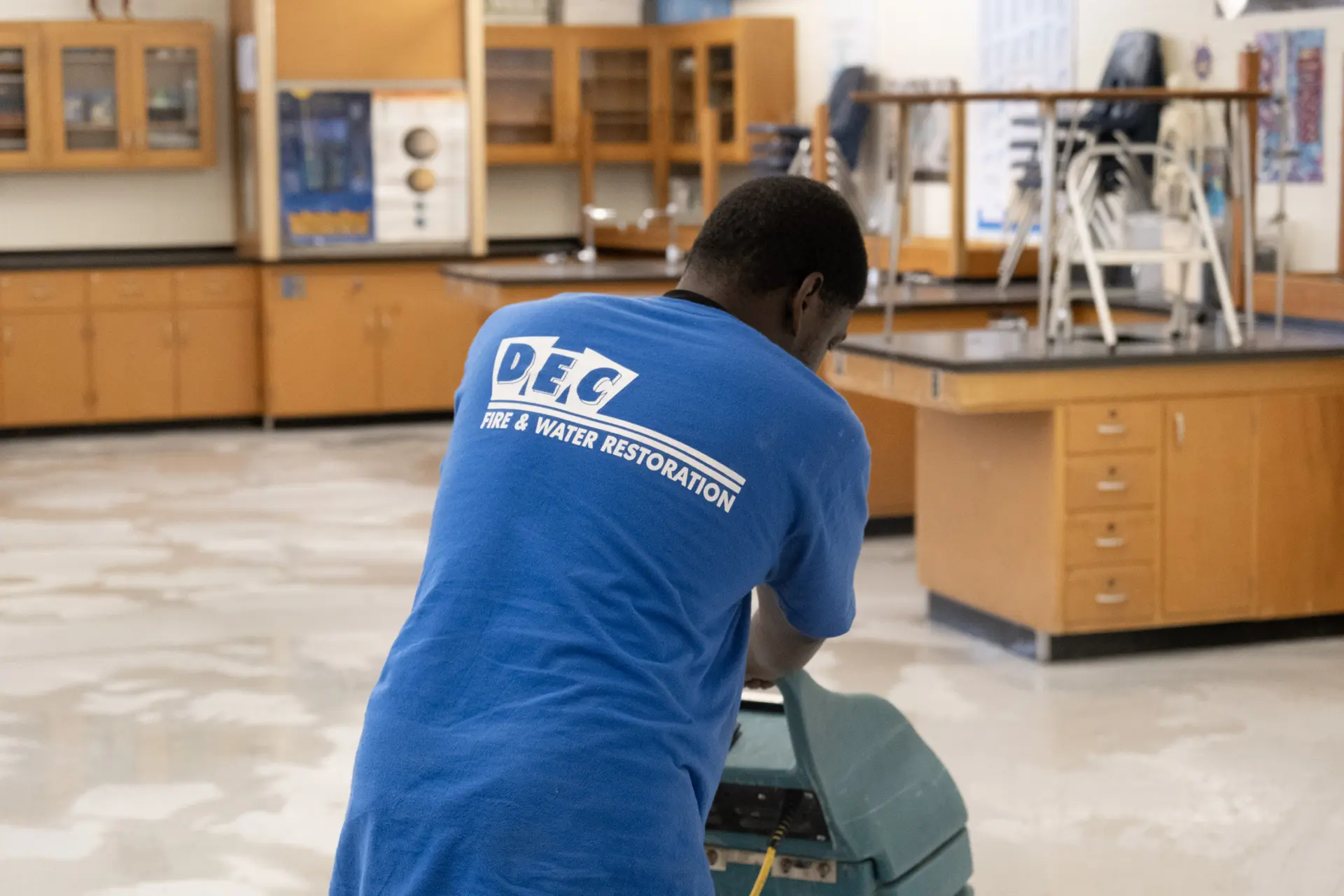
DEC Fire & Water specializes in water mitigation and mold remediation for homes and businesses across [service area]. Our team responds quickly, assesses the full scope of damage - visible and hidden - and handles remediation from start to finish. Don't let mold get a head start. Contact DEC Fire & Water today for an assessment.
All bLogs
More Insightful Reads
When Do You Need Professional Water Damage Restoration?

In
Water Damage
Learn when to call professional water damage restoration services and why fast action matters. Discover the warning signs, risks of delayed cleanup, and how emergency response can prevent structural damage and mold growth in your home.
.svg)
Your Flood Damage is in Good Hands with DEC Fire & Water Restoration

In
Water Damage
Not all restoration companies are created equal. We are a fire, water and mold company that provides restoration and cleanup to residential and commercial customers throughout central Alabama.
The Complete Guide to Mold Removal – Everything You Need to Know

In
Mold Remediation
Mold can be a serious problem, especially for those who are susceptible to respiratory problems. If you have mold in your home, it is important to remove it as soon as possible.
The First 24 Hours After a House Fire: A Southeastern Homeowner's Guide

In
Fire Damage
Learn exactly what to do in the first 24 hours after a house fire — from safety and insurance to smoke damage, soot, and when to call a professional fire damage restoration company across Alabama, Georgia, and Tennessee.


