


.svg)





In
Fire Damage
The First 24 Hours After a House Fire: A Southeastern Homeowner's Guide

Learn exactly what to do in the first 24 hours after a house fire — from safety and insurance to smoke damage, soot, and when to call a professional fire damage restoration company across Alabama, Georgia, and Tennessee.
A house fire is over in minutes. The recovery takes months.
When the flames are out and the trucks pull away, most homeowners are standing in the yard not sure what to do next. The shock makes the first 24 hours feel like a blur — but those hours quietly decide whether your home recovers cleanly or gets worse before it gets better.
This is the guide we wish every family across the Southeast had before they ever needed it. Companies like DEC Fire & Water Restoration respond to fires throughout Alabama, Georgia, and Tennessee 24/7 — and the homeowners who recover fastest are almost always the ones who knew what to do in the first day.
What Counts as Fire Damage?
Fire damage is more than charred walls and burned furniture. The fire itself is one part of the problem. The aftermath is the rest — and it is the part most people underestimate.
A typical residential fire creates four overlapping problems at once:
- Burn damage to structural framing, finishes, and contents
- Smoke damage that travels into rooms the fire never touched
- Soot residue that bonds chemically to surfaces within hours
- Water and chemical damage from firefighting efforts
Smoke and soot are not just visual problems. They are acidic, corrosive, and reactive. They can permanently etch glass, discolor plastics, tarnish metals, and embed odor into drywall, insulation, carpet, and wood. Every hour they sit on a surface, they do more damage.
That is why the first 24 hours matter so much. Effective smoke and fire damage cleanup is a race against chemistry. Specialists like DEC Fire & Water Restoration are equipped to begin mitigation the same day a fire occurs — because waiting almost always costs more.
7 Steps to Take in the First 24 Hours After a House Fire
These are the actions that protect your safety, your insurance claim, and your home — in the order they should happen.
1. Make Sure Everyone Is Safe and Accounted For
People first. Always.
- Confirm every family member and pet is out of the structure
- Check for injuries, including smoke inhalation
- Get medical attention even for symptoms that seem minor — cough, headache, sore throat — they can indicate smoke exposure
2. Wait for the Fire Department to Clear the Property
Do not re-enter your home until the fire department says it is safe.
Even after visible flames are out, structural integrity, hot spots, electrical hazards, and air quality can still pose serious risk. Any walk-through should happen with a firefighter or restoration professional present.
3. Call Your Insurance Company Before Anyone Else
Your homeowners insurance policy is the engine that drives the rest of recovery. Call your carrier as soon as the fire department gives the all-clear.
Things to ask on that first call:
- What does my policy cover for fire and smoke damage?
- Does my policy include Loss of Use or Additional Living Expense coverage for temporary housing?
- What documentation do you need from me?
- Can I begin emergency mitigation immediately?
Most policies require homeowners to take "reasonable steps to prevent further damage." That is exactly what hiring an emergency fire damage restoration company qualifies as.
4. Document Everything — Photos, Video, and a Written Inventory
Before anything is moved, cleaned, or thrown away, document the scene.
- Take wide-angle and close-up photos of every room
- Record video walkthroughs with narration
- Keep all receipts (hotel, food, replacement clothing, supplies)
- Start a written inventory of damaged items as you remember them
This documentation is what your insurance adjuster will use to settle your claim. The more detail you capture in the first 24 hours, the smoother the claim becomes.
5. Do Not Try to Clean Soot or Smoke Damage Yourself
This is the single most common mistake homeowners make after a fire.
Why DIY Cleaning Makes Smoke Damage Worse
Soot is acidic and oily. Wiping it with a household cloth or sponge spreads the residue, drives it deeper into porous surfaces, and turns a cleanable mark into a permanent stain. What looked like a smudge becomes a replacement.
What Soot Does to Different Surfaces
- Drywall and paint: Soot etches the surface within hours
- Fabric and upholstery: Smoke odor bonds to fibers and resists household cleaners
- Plastics and electronics: Acidic residue causes permanent yellowing and corrosion
- Metals: Tarnishing and pitting can begin in less than a day
- Wood and cabinetry: Soot penetrates the grain and requires professional treatment
The Hidden Risk of Firefighting Water
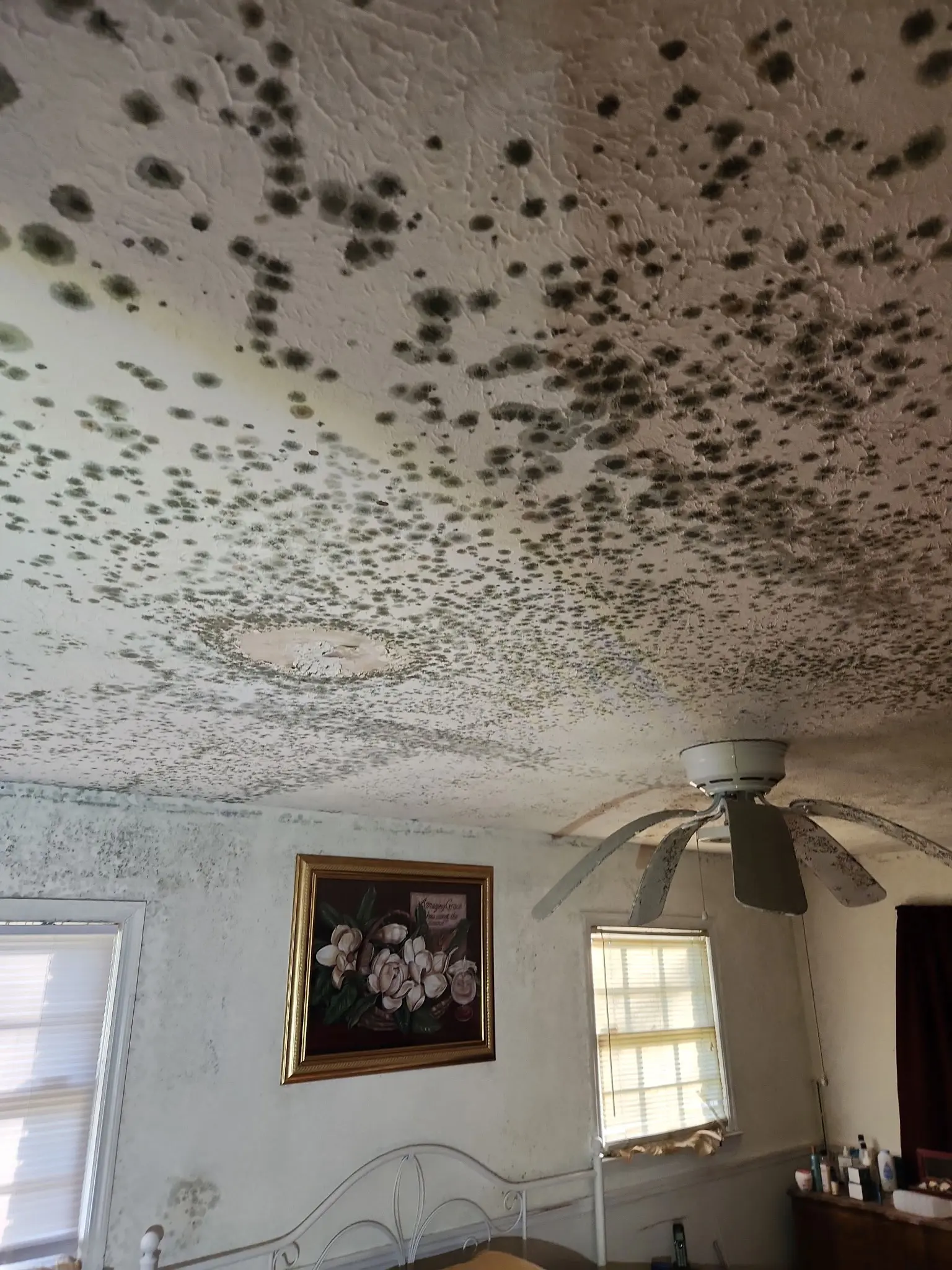
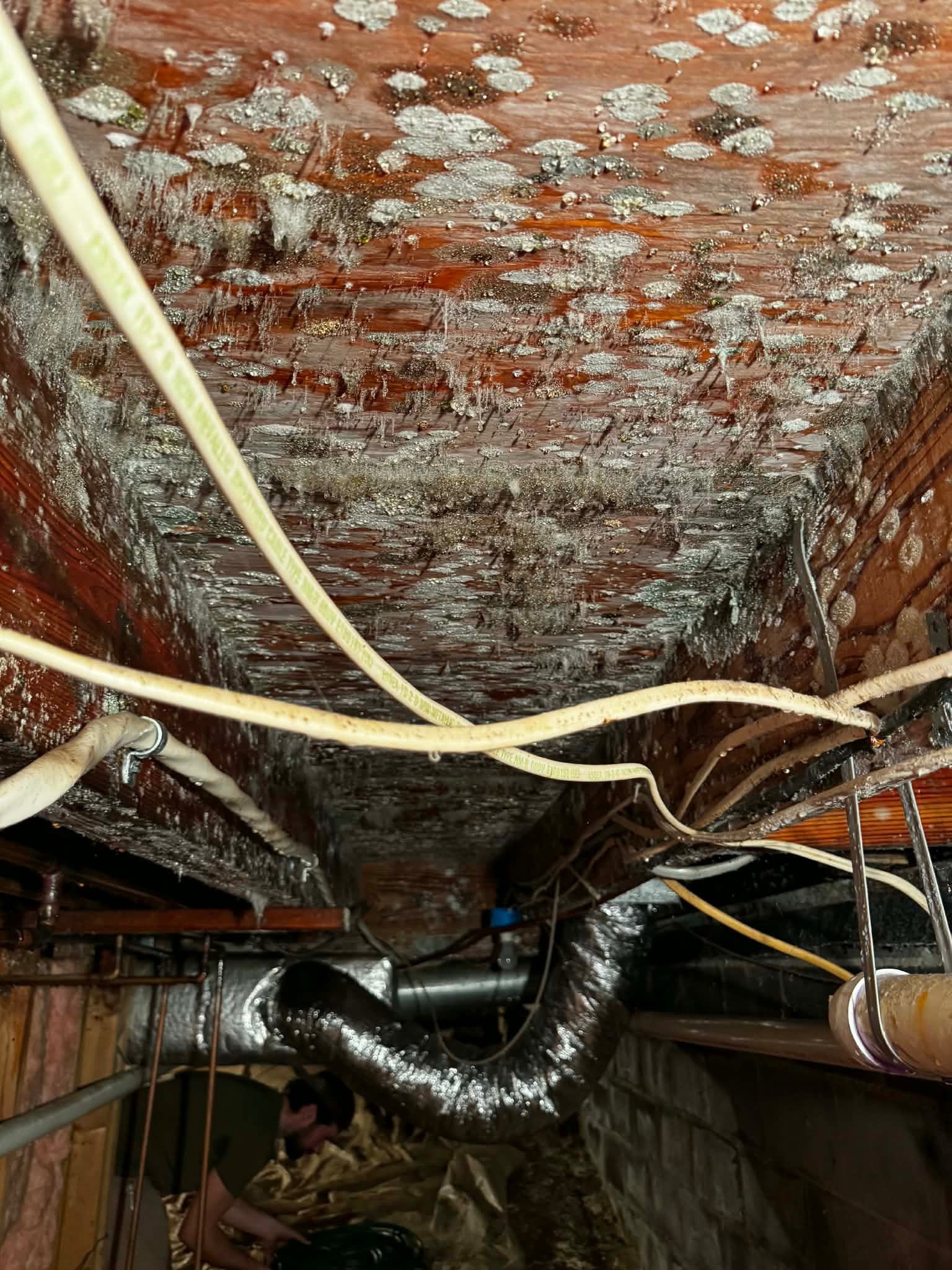
Fire suppression often uses thousands of gallons of water. That water soaks into walls, subfloors, insulation, and crawl spaces — creating a secondary water damage problem on top of the fire damage. Without prompt drying, mold can begin forming within 24 to 48 hours. Professional teams treat fire and water damage as a single problem because that is how they actually occur. DEC Fire & Water Restoration handles fire, water, and mold under one roof for exactly this reason.
6. Secure the Property With Board-Up and Tarping
A fire-damaged home is an open property. Broken windows, missing sections of roof, and unsecured doors invite weather damage, theft, and animal entry — and insurance may not cover those losses if the home was left unsecured.
Emergency board-up and roof tarping should happen the same day, not later in the week. Most professional restoration companies, including DEC Fire & Water Restoration, provide board-up as part of their 24/7 emergency response.
7. Call a Certified Fire Damage Restoration Company
The final step in the first 24 hours is bringing in the team that will guide the rest of the recovery.
Look for a company that is:
- IICRC-certified (the industry standard)
- Available 24/7 with rapid local response
- Equipped to handle fire, smoke, water, and reconstruction in-house
- Experienced working directly with your insurance carrier
The right company will begin mitigation immediately, document everything for your claim, and walk you through what comes next. The wrong company — or worse, no company at all — turns a recoverable fire into a total loss.
Different Types of Fire Damage
Not all fire damage looks the same. The cleanup approach changes based on what burned, how hot it got, and what the smoke carried with it.
Structural Fire Damage
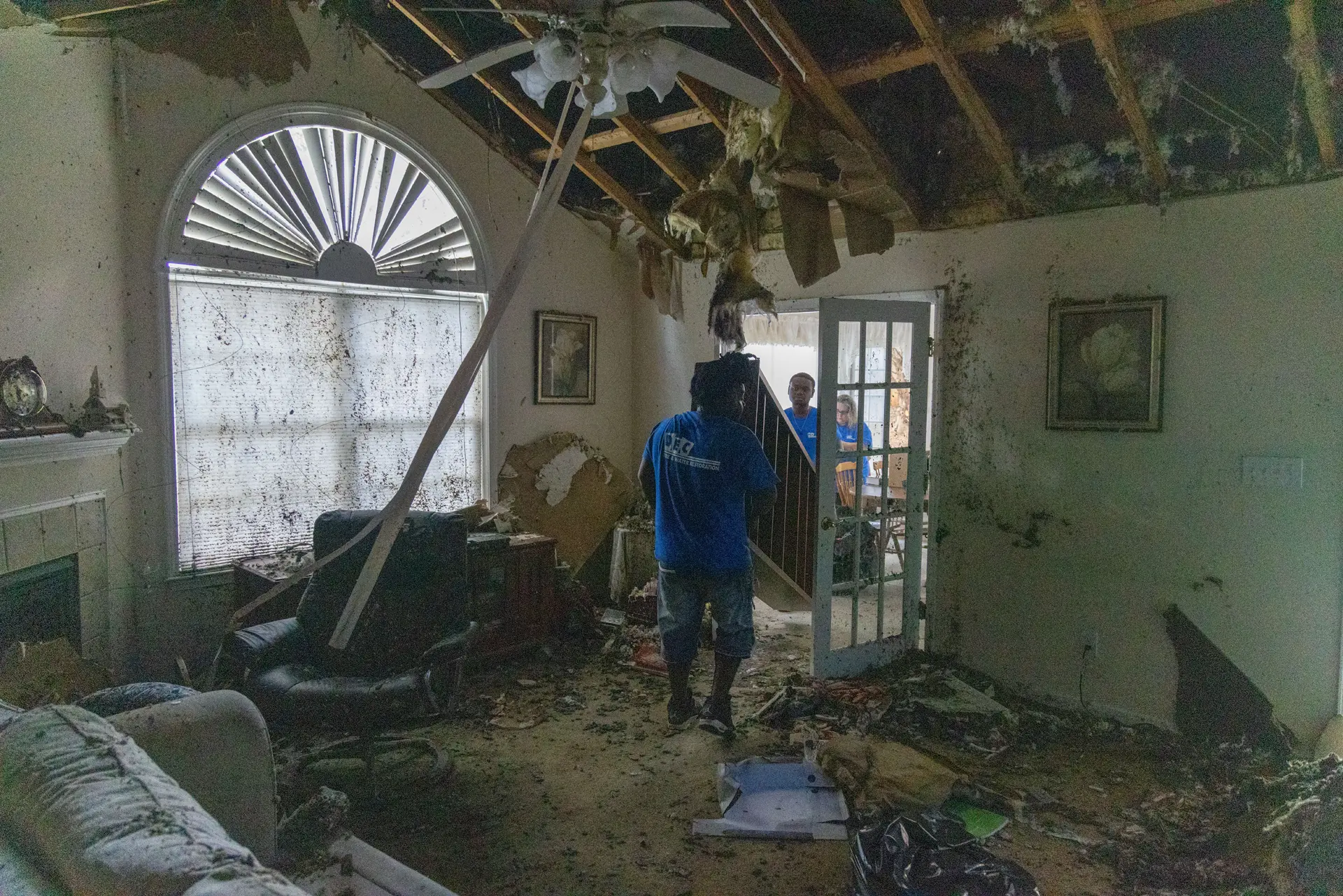
This is the visible damage — charred framing, scorched walls, collapsed ceilings, melted finishes. Structural damage requires demolition of unsalvageable materials, framing repair, and full reconstruction. It is the most obvious damage and often the most straightforward to scope, but the work itself is significant and requires licensed reconstruction crews.
Smoke and Soot Damage
Smoke travels further than the fire ever did. It can enter rooms with closed doors, pass through HVAC systems, and saturate insulation, ductwork, attic spaces, and personal belongings. Effective smoke damage cleanup involves HEPA filtration, thermal fogging, hydroxyl or ozone treatment, and surface cleaning with specialized chemical agents — not household cleaners.
The type of smoke also matters. A protein fire (from kitchen grease) leaves a thin, pungent residue that is nearly invisible but very difficult to remove. A wet smoke fire (from low-heat, smoldering plastics) leaves sticky black soot that smears on contact. A dry smoke fire (from fast-burning paper or wood) leaves powdery residue that sometimes lifts before it sets. A trained technician identifies the type and matches the cleaning method.
Water and Chemical Damage From Firefighting
Every fire job is also a water job. The same crews that clean smoke also extract water, dry the structure, treat for mold, and address chemical residues from fire extinguishers and suppressant foams. Splitting the job between vendors creates gaps where damage hides — which is why DEC Fire & Water Restoration handles fire, water, and mold as one continuous restoration process.
Conclusion: Save the Number Before You Need It
A house fire is one of the most disorienting events a family can go through. You do not have to figure it out alone, and you do not have to make perfect decisions in the first hour to come out of this whole.
What you do need is:
- Safety first
- Insurance on the phone
- Documentation in hand
- A trusted local restoration team on the way
DEC Fire & Water Restoration has been serving families and businesses across Alabama, Georgia, and Tennessee through the worst days of their lives — fire, flood, smoke, and storm — with 24/7 emergency response, IICRC-certified technicians, and complete in-house restoration from mitigation through reconstruction. From Birmingham to Chattanooga to Columbus, our crews are local, fast, and ready when you call.
If you are standing in your yard right now, call (205) 940-9913.
If you are reading this before disaster strikes, save the number now.
The fire was the emergency. The first 24 hours decide what comes next.
All bLogs
More Insightful Reads
When Do You Need Professional Water Damage Restoration?

In
Water Damage
Learn when to call professional water damage restoration services and why fast action matters. Discover the warning signs, risks of delayed cleanup, and how emergency response can prevent structural damage and mold growth in your home.
.svg)
Your Flood Damage is in Good Hands with DEC Fire & Water Restoration

In
Water Damage
Not all restoration companies are created equal. We are a fire, water and mold company that provides restoration and cleanup to residential and commercial customers throughout central Alabama.
The Complete Guide to Mold Removal – Everything You Need to Know

In
Mold Remediation
Mold can be a serious problem, especially for those who are susceptible to respiratory problems. If you have mold in your home, it is important to remove it as soon as possible.
How Fast Does Mold Start After Water Damage?
In
Mold Remediation
Mold can begin growing within 24 hours of water damage. Learn how fast mold spreads, what conditions accelerate growth, and when to call a professional restoration company.


