


.svg)





In
Water Damage
How Long Does Water Damage Restoration Take?

Water damage restoration can take days or weeks. Learn what affects your timeline and how to speed recovery.
A burst pipe at 2 a.m. A dishwasher that overflowed while you were at work. A slow roof leak you didn't catch until the ceiling started to sag. No matter how it happens, the first question on every homeowner's mind is the same: how long is this going to take to fix?
The honest answer is that no two water damage events are identical. A straightforward cleanup from a small supply-line leak in a bathroom might wrap up in a matter of days. A Category 3 sewage backup that saturates the subfloor across an entire first story could stretch the restoration process over several weeks - or longer.
In this guide, we'll walk you through the four biggest factors that determine how long water damage restoration takes, give you a realistic phase-by-phase timeline, and explain what you can do right now to shorten the process and protect your home.
Factor #1: The Type and Extent of Damage
Not all water damage is created equal. The restoration industry classifies water damage into three categories, and each one carries different health risks, cleanup requirements, and timelines.
Understanding the Three Categories of Water Damage
- Category 1 - Clean Water. This comes from a sanitary source like a broken supply line, a leaking faucet, or an overflowing bathtub with no contaminants. Cleanup is generally the fastest because the water doesn't require specialized disinfection. Depending on how much area is affected, you could be looking at a few days of drying time.
- Category 2 - Gray Water. This contains significant contamination and can cause illness if ingested or exposed to skin. Think washing machine overflows, dishwasher leaks, or toilet overflows with urine but no feces. Gray water events require more aggressive cleaning, antimicrobial treatment, and often removal of affected soft materials like carpet and padding.
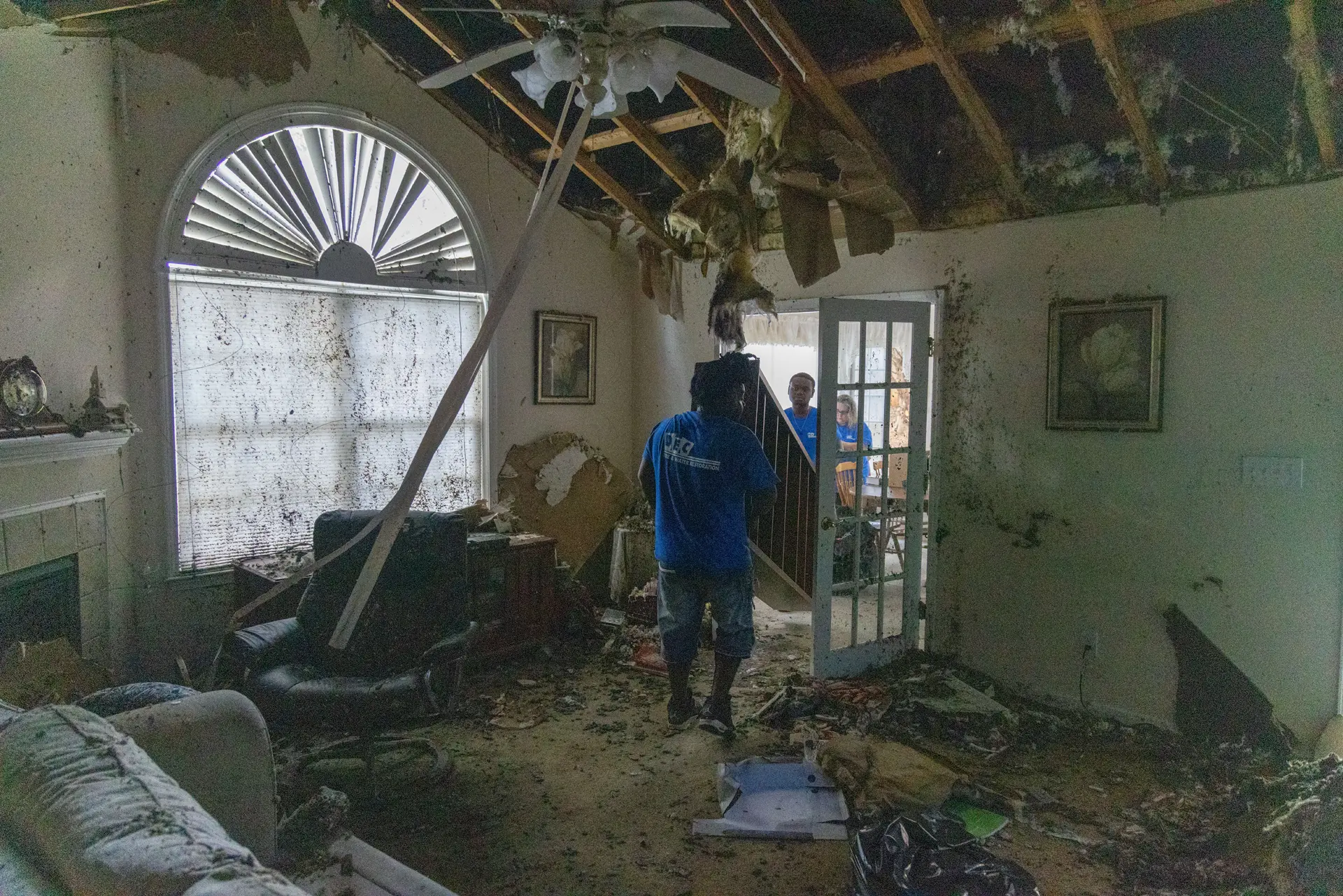
- Category 3 - Black Water. The most severe classification. This includes sewage backups, rising floodwater from storms, and water that has been standing long enough to develop serious bacterial growth. Black water restoration demands the most extensive tear-out, disposal of contaminated materials, thorough disinfection, and often structural repairs. Timelines here are the longest - often several weeks.
Size Matters: Square Footage and Material Penetration
Factor #2: The Condition of Your Home Before the Damage
Your home's age, construction, and pre-existing condition all influence how quickly restoration can be completed. This is a factor many homeowners overlook.
Building Materials and Construction Type
Older homes built with plaster walls, hardwood subflooring, and limited vapor barriers tend to absorb and retain more moisture than newer construction. Modern drywall dries more predictably, but even it has limits - especially when insulation behind the wall becomes saturated.
Homes with crawl spaces or pier-and-beam foundations present unique challenges compared to slab-on-grade construction. Water can pool in a crawl space and create ongoing moisture problems that extend the drying timeline and increase the risk of mold.
Pre-Existing Moisture Issues
If your home already had moisture issues before the water damage event - poor ventilation in a bathroom, a chronically damp crawl space, or a roof with minor leaks - those conditions can complicate and lengthen the restoration process. Pre-existing mold, deteriorated materials, or compromised structural components may all be discovered during the restoration process, adding both time and scope to the project.
Pro Tip: Regular home maintenance - like checking for slow leaks, maintaining your HVAC system, and keeping gutters clean - can dramatically reduce both the likelihood and severity of water damage if a plumbing failure or storm event does occur.
Factor #3: How Quickly You Respond
If there's one factor you have the most control over, it's this one. Speed of response is the single biggest variable in determining whether a water damage event is a minor disruption or a major reconstruction project.
The Critical First 24-48 Hours
The clock starts the moment water intrusion begins. Here's what happens as time passes:
- Within the first hour: Water begins wicking into drywall, carpet padding, and any porous materials it contacts.
- Within 24 hours: Drywall begins to swell and break down. Furniture and cabinetry start to warp. Metal surfaces begin to tarnish.
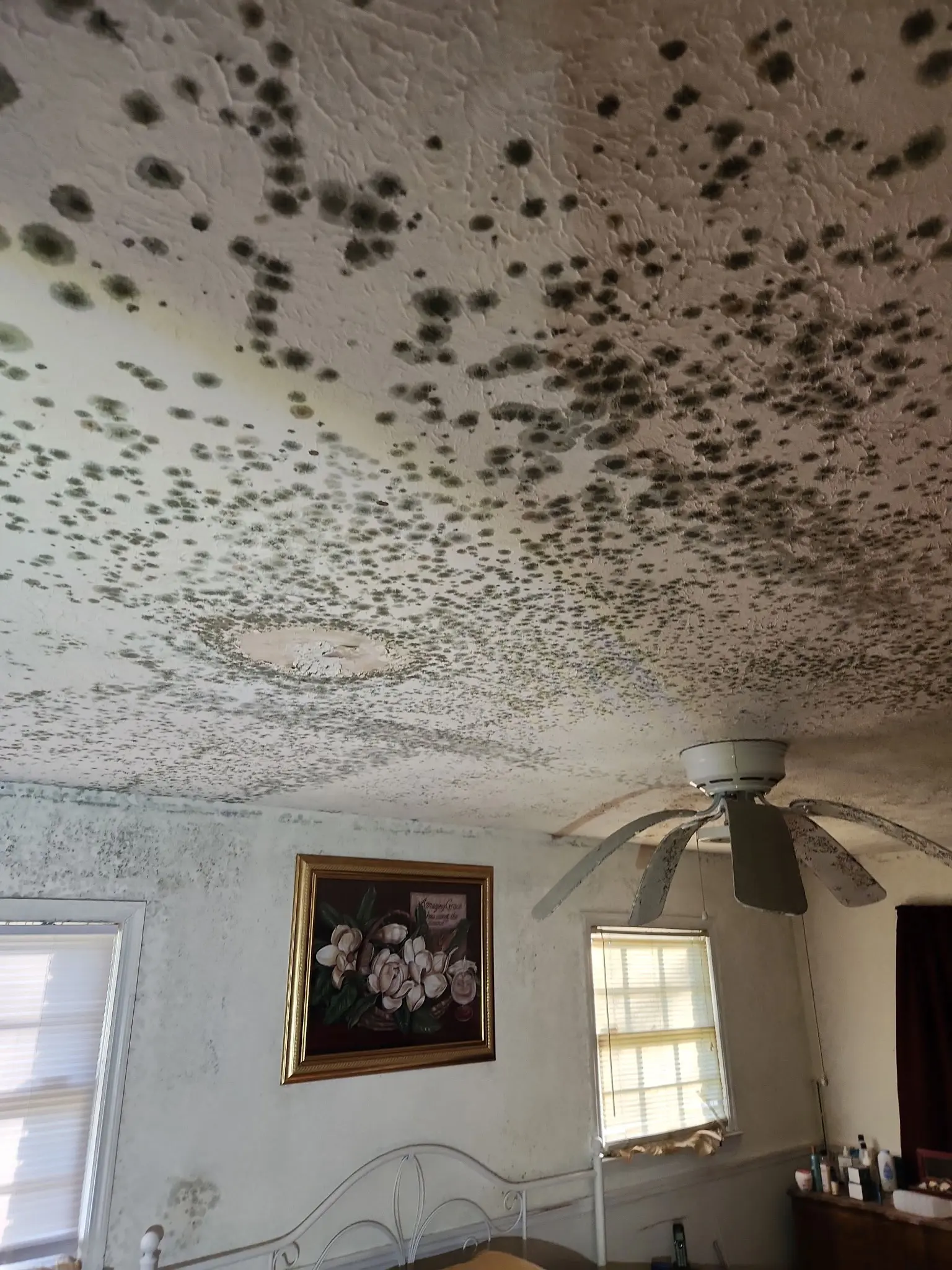
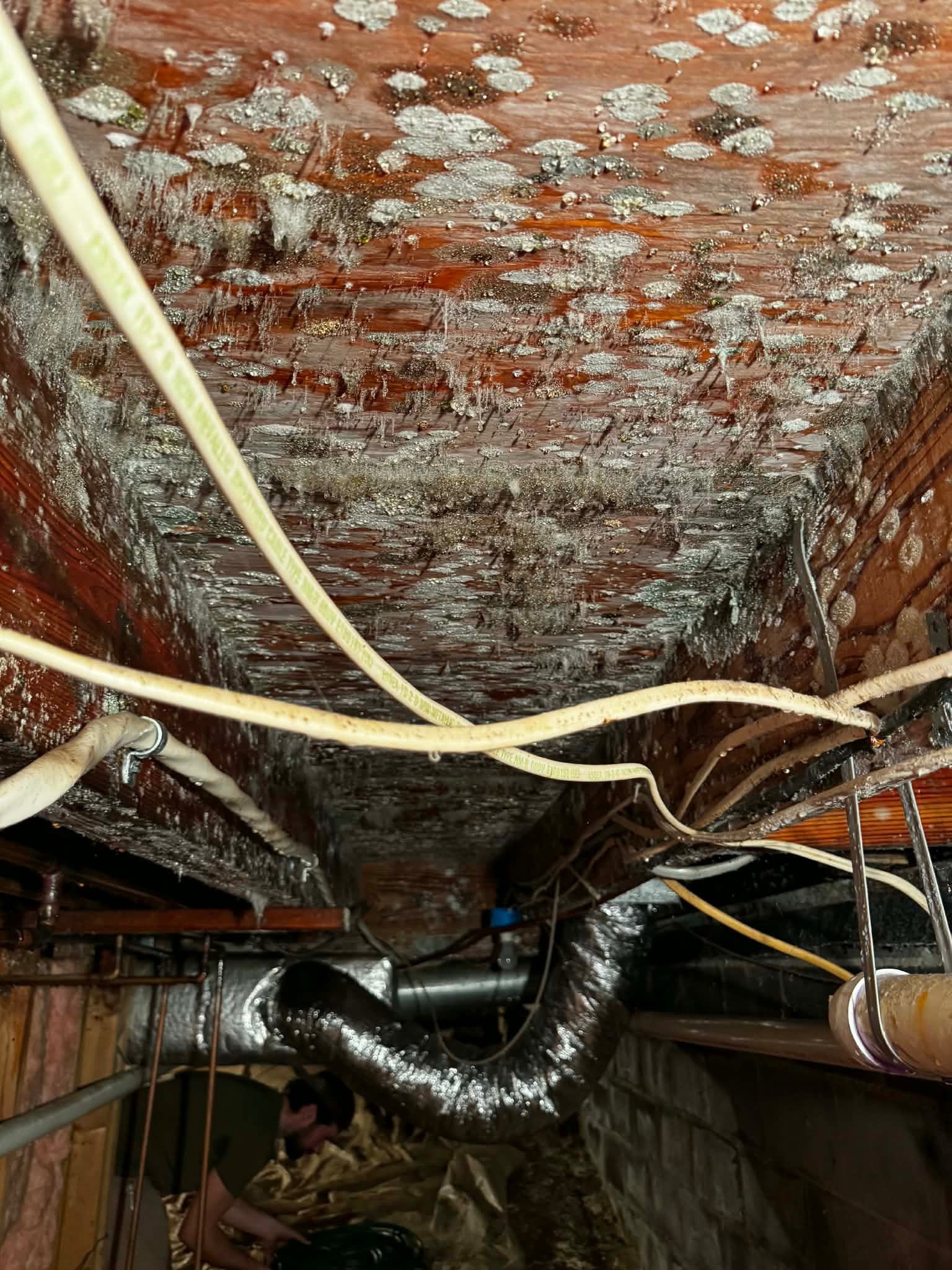
- 24-48 hours: Mold can begin to develop on damp organic materials. Musty odors set in. Paint and wallpaper start to blister.
- Beyond 48 hours: Mold growth can become widespread. Structural elements can begin to swell and lose integrity. What was a straightforward water mitigation job begins evolving into a mold remediation and reconstruction project.
Every hour of delay increases the scope of damage, the cost of restoration, and the overall timeline. Calling a professional restoration company immediately - even before you've had time to fully process what happened - is one of the most impactful decisions you can make.
What You Can Do While Waiting for Professionals
- Stop the source. If the water is coming from a plumbing failure, turn off the water supply to your home at the main shutoff valve.
- Remove standing water. If it's safe to do so, use towels, mops, or a wet-dry vacuum to begin removing water.
- Move valuables. Get furniture, electronics, and irreplaceable items away from the affected area and off wet floors.
- Increase airflow. Open windows if weather permits and turn on any available fans. Do not use your home's HVAC system if you suspect contaminated water.
- Document everything. Take photos and video of the damage before you start cleaning up. Your insurance company will need this documentation.
Factor #4: What the Experts Advise
Professional water damage restoration follows a structured process. Understanding these phases helps set realistic expectations about how long your specific situation may take.
Certified restoration technicians follow guidelines established by the Institute of Inspection, Cleaning and Restoration Certification (IICRC) - the industry standard for water damage restoration. Here's what a typical restoration process looks like:
Phase 1: Inspection and Assessment (1-4 hours) - Technicians evaluate the source, category, and extent of water damage.
Phase 2: Water Extraction (2-12 hours) - Industrial pumps and vacuums remove standing water.
Phase 3: Drying and Dehumidification (3-5 days) - Air movers and dehumidifiers draw moisture from structures and materials.
Phase 4: Cleaning and Sanitizing (1-2 days) - Antimicrobial treatments, odor removal, and cleaning of salvageable items.
Phase 5: Repairs and Reconstruction (1-4+ weeks) - Replacing drywall, flooring, trim, and other damaged materials.
Total Estimated Timeline
For a minor to moderate water damage event (Category 1 or 2, confined to a single room or area), most homeowners can expect the process - from initial response through completed drying - to take roughly 3 to 7 days, with repairs potentially adding another 1-2 weeks after that.
For a severe event (Category 3, multi-room flooding, or situations complicated by mold, structural damage, or delayed response), the full restoration can take several weeks to a few months from start to finish, particularly if reconstruction is involved.
What About Insurance? Your insurance adjuster will need to inspect the damage and approve a scope of work before reconstruction can begin. This step can add several days to your timeline depending on your insurer's response time. A professional restoration company like DEC Fire & Water can work directly with your insurance provider to keep the process moving as efficiently as possible.
How to Know When Water Damage Restoration Is Complete
Restoration isn't done just because the fans have been picked up. Before your project should be considered complete, your restoration team should confirm:
- Moisture readings are within acceptable range. Professional-grade moisture meters should show that affected materials have returned to normal moisture levels relative to unaffected areas of the home.
- No visible mold or musty odors. Even after drying, persistent odors or visible mold indicate that additional work is needed.
- Structural integrity is restored. Any framing, subfloor, or structural elements that were compromised have been replaced or repaired.
- Finishes are complete. Drywall, paint, flooring, trim, and any other materials that were removed have been replaced and finished to match the pre-loss condition of the home.
Frequently Asked Questions
Can I stay in my home during water damage restoration?
It depends on the severity. For minor Category 1 events in a limited area, most families can stay in the home while drying equipment runs. For extensive Category 2 or 3 damage - especially when large portions of flooring have been removed or when contamination is a concern - your restoration team may recommend temporarily relocating. Many homeowner's insurance policies cover additional living expenses (ALE) in this situation.
Does water damage always lead to mold?
Not necessarily, but the risk increases significantly after 24-48 hours. Fast professional response and proper structural drying are the best defenses against mold development. If mold is found during the restoration process, a separate mold remediation protocol will be necessary, which will extend the overall timeline.
Will my insurance cover water damage restoration?
Most standard homeowner's insurance policies cover sudden and accidental water damage - like a burst pipe or appliance failure. However, damage from flooding (rising water from outside the home) typically requires separate flood insurance. Damage caused by gradual leaks or deferred maintenance may also be excluded. Contact your insurance provider and your restoration company as soon as possible to begin the claims process.
How much does water damage restoration cost?
Costs vary widely based on the same factors that affect the timeline: damage category, square footage, materials affected, and whether reconstruction is needed. Minor events may cost a few thousand dollars, while large-scale restoration and reconstruction projects can run into the tens of thousands. A reputable restoration company will provide a detailed estimate and work with your insurance adjuster to document the scope of work.
The Bottom Line: Speed and Expertise Make the Difference
Water damage restoration is never a one-size-fits-all process. The timeline depends on what kind of water caused the damage, how much of your home is affected, the condition your home was in before the event, and - above all - how quickly the right professionals get to work.
What you can control is your response. The faster you act, the more you can limit the damage, shorten the timeline, and reduce the cost of getting your home back to normal.
Need Help Now? DEC Fire & Water Is Here for You. Our IICRC-certified technicians are available 24/7 to respond to water damage emergencies across Alabama. From the first phone call through completed restoration, we manage the entire process - including working directly with your insurance company. Call us today or request a consultation to get started.
Beyond the water category, the sheer volume of water and how far it has penetrated play an enormous role. A few gallons from a toilet overflow confined to a single bathroom is a fundamentally different situation than several inches of standing water throughout an entire level of your home.
Water that has reached insulation inside wall cavities, soaked into hardwood subfloors, or wicked up behind baseboards and into cabinetry will take significantly longer to dry. Restoration professionals use moisture meters and thermal imaging to identify hidden saturation that you can't see with the naked eye - and those hidden pockets of moisture are often what extends a project timeline.
All bLogs
More Insightful Reads
When Do You Need Professional Water Damage Restoration?

In
Water Damage
Learn when to call professional water damage restoration services and why fast action matters. Discover the warning signs, risks of delayed cleanup, and how emergency response can prevent structural damage and mold growth in your home.
.svg)
Your Flood Damage is in Good Hands with DEC Fire & Water Restoration

In
Water Damage
Not all restoration companies are created equal. We are a fire, water and mold company that provides restoration and cleanup to residential and commercial customers throughout central Alabama.
The Complete Guide to Mold Removal – Everything You Need to Know

In
Mold Remediation
Mold can be a serious problem, especially for those who are susceptible to respiratory problems. If you have mold in your home, it is important to remove it as soon as possible.
How Fast Does Mold Start After Water Damage?
In
Mold Remediation
Mold can begin growing within 24 hours of water damage. Learn how fast mold spreads, what conditions accelerate growth, and when to call a professional restoration company.


